Greek Origins: How Students Established Greek Life at UCF

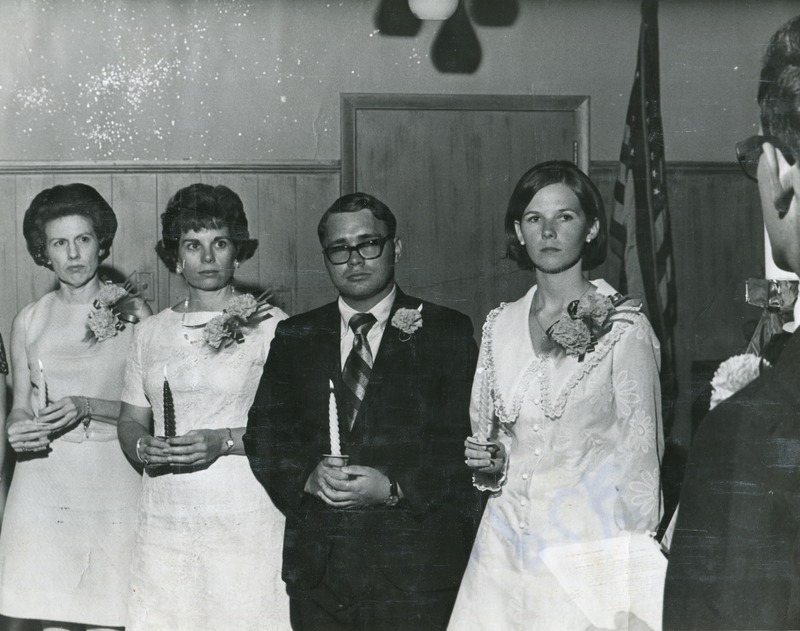
Greek life is often synonymous with college life. It has been intimately incorporated into the public perception of college due to movies such as Animal House and high profile events that capture the public eye. However, the actual purposes of these organizations differ greatly from the pop culture image of Greek life. As they have become fully realized, Greek life at UCF has played a crucial role in shaping the student body as well as the local community. The current iterations of these organizations are drastically different from their original states. The development of Greek life at UCF can be traced to a few key developments, primarily led by students. The core actions in establishing Greek life at UCF include the establishment of the first official Inter-Fraternity Council (IFC) fraternity and National Panhellenic Council (NPC) sorority in 1971, the rapid expansion of the Greek system throughout the 1970s, the designation and construction of Greek Park throughout the 1980s, culminating in the completion of Greek Park in the 1990s with most of the current IFC organizations firmly established in UCF culture.
Greek life at UCF began along with the school. However, in the beginning these organizations were founded by local students and were not nationally recognized. The administration was interested in designating Greek housing and as in bringing nationally recognized Greek chapters to UCF as far back as 1969.[1] In order to attract the attention of national Greek organizations, UCF had to demonstrate significant student interest in forming Greek life. To show that students wanted to be involved in fraternities and sororities, UCF administration and faculty passed the mantle of responsibility for forming Greek life entirely on to the students. When students wanted to form an organization, they would collaborate amongst themselves to identify their goals, then seek administrative and faculty assistance for larger issues such as proposal approvals. Greek life began in earnest on April 30th, 1971 when the first IFC fraternity, Kappa Sigma, was established. The first sorority, Zeta Tau Alpha was established on December 11th of that year[2]. The 1970s saw a rapid explosion in the number of Greek organizations at UCF with 16 being founded by the end of the decade.[3] The 1970s was also when the idea of Greek Park, the plot of land where the Greek houses could be constructed, began to float around administration. The proposal for Greek Park was approved in July 1977; the administration allocated two hundred thousand dollars to develop the land.[4] The 1970s was when Greek life secured a foothold at UCF to expand upon in the decades to come.
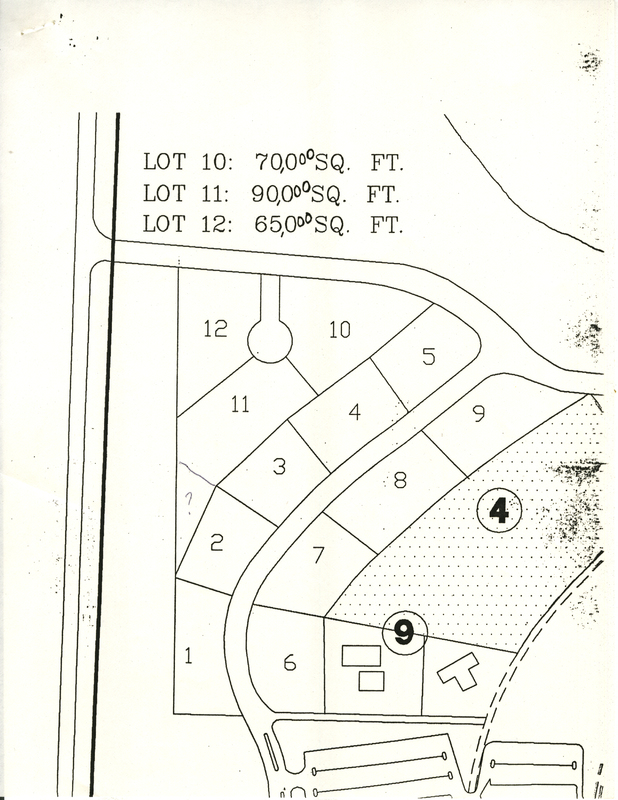
As the 1980s began the land that would eventually comprise Greek Park was nearly developed and house construction was ready to begin. Lease proposal drafts took nearly 3 years to finalize until on October 6th, 1983 Sigma Chi signed the lease for their house, becoming the first UCF Greek organization to officially have their own house.[5] Other Greeks quickly obtained their leases as Zeta Tau Alpha became the first to have construction on their house begin, which commenced in April of 1985.[6] On November 3, 1985 the Zeta Tau Alpha house was dedicated and officially opened ushering in a new chapter in Greek life at UCF. By the end of the 1980s UCF would have six completed sorority houses and one fraternity house, with three additional houses planned for completion in 1990. The financing of the houses was done mostly by the students who would use a combination of donations, dues, and fundraisers to meet the somewhat steep monetary requirements. The school and local businesses also contributed, but the bulk of the responsibility once again fell to the students.
The 1990s were dominated by the completion of the houses in Greek Park as well as another expansion of the Greek organization at UCF. The decade begins with the completion of the Kappa Delta and Sigma Alpha Epsilon houses in January of 1990. Construction begins to slow down moving into the middle part of the decade with two more houses being completed in 1992, one in 1995, and the completion of Greek Park with the opening of Kappa Sigma in 1996.[7] The completion of Greek Park is one of the most pivotal moments in the history of Greek life at UCF, allowing the different fraternities and sororities to have a central place for facilitating their mission. The 1990s saw the addition of ten more Greek organizations, rising from 24 at the beginning of the decade to 34 by the end.
The initiative in all of these actions was primarily undertaken by students, rather than faculty or the administration. Administration viewed its role as the facilitator and gatekeeper of proposals set forth by the students, but the organization and funding came down to the students. This was done to ensure that students who became engaged in these organizations were genuinely committed to what they were doing, but also to foster community in these organizations as the students had to come together to make their goals come to fruition. This fostering of community is one of the central tenants of many Greek organizations and the administration sought to foster that from the beginning. The administration also didn’t want to put extra stress on faculty members by assigning them responsibilities not already incorporated into their regular job.[8] Even when a fraternity has been accused of wrongdoing, the administration encourages the organization to police itself and advise the administration on how to proceed.[9] This emphasis on taking the initiative created a supportive environment where the members learned how to cooperate to accomplish their goals, setting the tone for Greek life at UCF.
[1] Historical Perspective: A Historical View of Greek Park, Box 1, Fraternity and Sorority I. Admin Files – Historical Timeline 1983-2005, Special Collections and University Archives, University of Central Florida, Orlando, Florida.
[2] Fraternity and Sorority Historical Timeline, Box 1, Fraternity and Sorority I. Admin Files – Historical Timeline 1983-2005, Special Collections and University Archives, University of Central Florida, Orlando, Florida.
[3] Ibid.
[4] Ibid.
[5] Ibid.
[6] Ibid.
[7] Ibid
[8] C.B. Gambrell to Dean Sarchet, February 6, 1969, Letter, Box 10, Colbourn III Student Affairs Student Orgs- Fraternities-Sororities-Honor Societies 1969-1986, Special Collections and University Archives, University of Central Florida, Orlando, Florida
[9] Charlotte B. Heston to Levester Tubbs, June 2, 1986, Letter, Box 10, Colbourn III Student Affairs Student Orgs- Fraternities-Sororities-Honor Societies 1969-1986, Special Collections and University Archives, University of Central Florida, Orlando, Florida