The Changing Face of Orlando
The surge in corporations and businesses coming to Orlando, during the boom of the 1950s and 1960s, saw a rapid transformation of both the demographic, as well as the overall infrastructural makeup of the city. During this span of around 10 years, Orlando grew at an unprecedented rate, witnessing a sudden and lasting change in regard to its racial composition, overall population size, and the increasing expansion in its suburban and urban development.
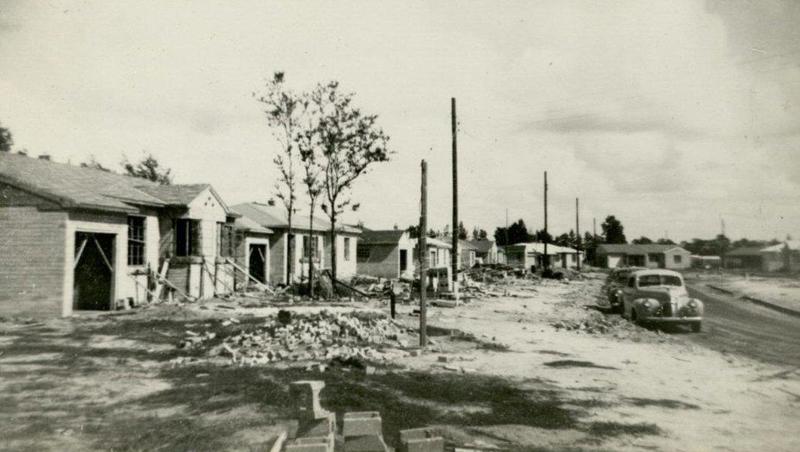
Business in Orlando was not the only boom by the mid-20th century. In addition to the influx in new businesses, the city was undergoing one of largest population growth spurts in the country. By the 1950s, Florida was witness to a growth percentage of over 79 percent, and the City of Orlando was one of the state's major destinations. Now considered to be the financial as well as the political capital of Central Florida, Orlando was called home to over 51,826 residents, almost 50 percent of the total population of Orange County. While the 1940s saw the influx of large numbers of northern retirees and soldiers returning home from war, the 1950s would see a greater percentage of economic migrants and young families looking to put down roots.
Since 1949, Orlando had witnessed a starling gain in the number of businesses and companies making themselves comfortable in the heart of Central Florida. In 1957, it was reported that 10 new industries moved into Orlando. Major corporations like Martin Company, who itself had relocated to Orlando in 1956, were just some of dozens of new occupants who contributed to the 239 percent increase in the economic growth of the city. The Martin Company alone would provide over 10,000 jobs for the city of Orlando, with 300 of its employees' coming from out of state.
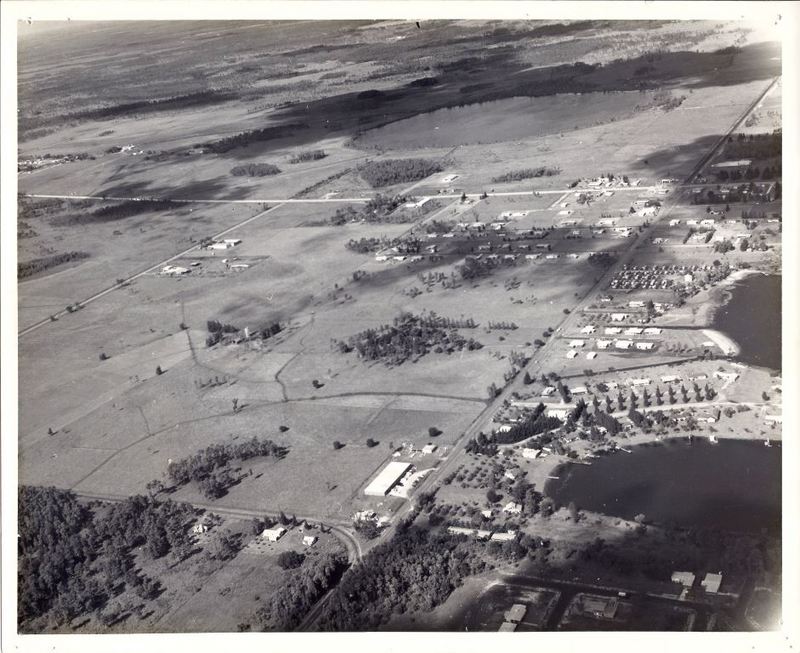
This explosive increase in Orlando's population could be felt in every nook and cranny of the city. The 1952 census registered a total of 18,513 housing units within Orlando, an increase of over 6,262 new structures since the last census in 1940. New buildings blanketed the sprawling suburban landscape of Orlando, with the Orlando Housing Authority's Lake Mann Homes Project providing 250 homes for Orlando families, while companies, such as Phillips Properties, began their construction of a new residential section in northeast Orlando.
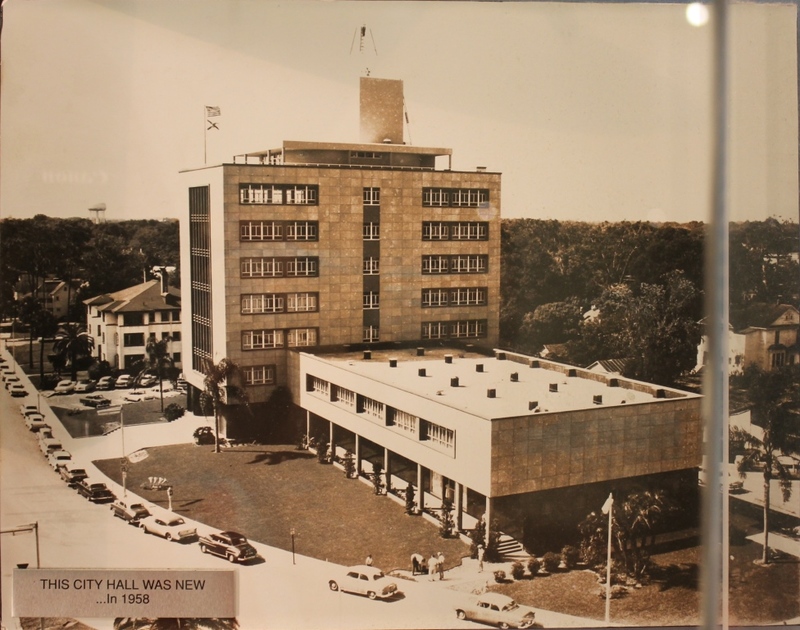
Ambitious new ventures, such as the Housing Act of 1949, initiated a series of beautification and developmental projects within Orlando, culminating in grants for the construction of a new city hall, priced at $1,052,500 as well as the expansion for the city's airport terminal. The year 1950, to be sure, observed an unprecedented increase in building activity, reportedly the highest within the city's history.
Orlando become a ray of sunshine not just to the aged and winter-weary travelers, but also offered a second chance at life for individuals looking to reinvent themselves. The 1950s and 1960s were a time of great turbulence worldwide, and the bright city of Orlando offered a haven for those seeking stability and safety. In 1956, refugees poured in from behind the Iron Curtain, with Hungarian newcomers such as Geza Cser and Mar Cser of Budapest becoming the poster family for these new immigrant groups to The City Beautiful. In addition, the revolution growing south of the state also meant that by the 1960s hundreds of thousands of Cubans began to cross into South Florida and Central Florida, prompting Orlando to open a new Orange County Cuban Refugee Action office at 437 North Orange Avenue on February 1, 1957. The organization would welcome to Orlando over 100 Cuban refugee families, and assist in the relocation of 24 within the first few years of its founding.
Other changes that accompanied the mid-20th century, such as the repeal of the of the anti-Japanese Oriental Exclusion Act of 1924 and the War Brides Act of 1945, saw a steady increase in the number of Asians immigrating into Florida’s metropolitan areas, with Orange County by 1960 reporting an Asian population of around 200. Orlando itself would become a prime destination in particular for Filipinos.
African Americans, who by 1950 made up a quarter of the total population of the city, were a visible minority. Despite the tumultuous years accompanying the Civil Rights Movement within the nation, Orlando's African-American community enjoyed a prolonged period of growth and prosperity generally unheard of in the American South. Indeed, Orlando remained one of the top destinations for black migrants searching for greater opportunities for themselves within one of Florida's fastest growing cities.
Bibliography
Bacon, Eve. Orlando: A Centennial History. Chuluota, FL: Mickler House, 1975.
Brotemarkle, Benjamin D. Crossing Division Street: An Oral History of the African-American Community in Orlando. Cocoa, FL: Florida Historical Society, 2003.
Gannon, Michael. The New History of Florida. Gainesville, FL: University Press of Florida, 2012.
Mohl, Raymond A. "Asian Immigration to Florida." The Florida Historical Quarterly 74, no. 3 (1996): 261-286. Web. February 20, 2016.
Shofner, Jerrell H. Orlando the City Beautiful. Tulsa, OK: Continental Heritage Press, 1984.